

Salusbury Road rubbish collection guide for NW6 residents
Posted on 14/08/2026
If you live on or near Salusbury Road, you already know waste can build up faster than you expect. A flat clearance after a move, broken furniture after a quick refurb, garden cuttings from a weekend tidy-up, or just the usual black bags that never quite fit the bin day schedule - it all adds up. This Salusbury Road rubbish collection guide for NW6 residents is here to make the whole thing feel manageable, not chaotic.
The aim is simple: help you understand what rubbish collection options make sense locally, how to prepare waste properly, what to avoid, and when a more flexible collection service is the better choice. You will also find practical tips for everyday situations around NW6, from busy household clear-outs to builder waste, and a few points that save time, money, and those annoying "why is this still here?" moments.
Expert summary: the best rubbish collection approach is usually the one that matches your waste type, access, timing, and budget. That sounds obvious, but in real life it is often the difference between a smooth job and a messy one.
For readers comparing wider waste support in the area, it can also help to look at local rubbish collection options in Queens Park and the broader services overview so you can see how different collection and clearance needs fit together.
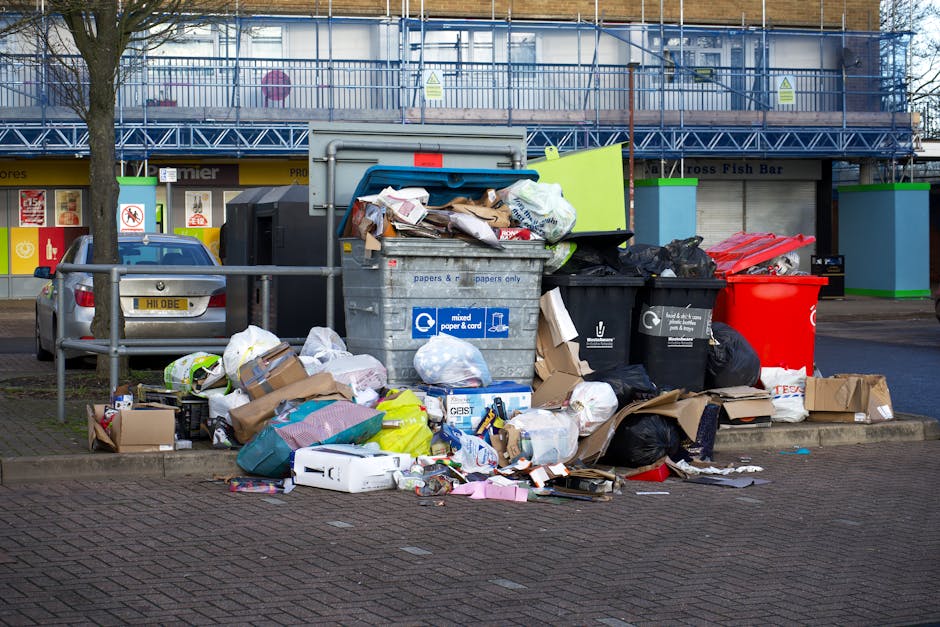
Why Salusbury Road rubbish collection guide for NW6 residents Matters
Salusbury Road sits in a part of NW6 where homes, shops, and small businesses are close together, and that changes how rubbish behaves. Space is limited. Storage is limited. Front access can be awkward. And rubbish left too long outside can quickly become a nuisance for neighbours, passers-by, or the people who have to move it later. Not ideal, to be fair.
That is why a proper collection plan matters. It is not just about getting rid of stuff. It is about doing it in a way that suits the street, the building type, and the type of waste you have. A single heavy sofa, a pile of cardboard, a loft full of old belongings, or mixed builders waste all need different handling. If you treat everything like a standard bin job, you usually end up wasting time or paying twice.
There is also a practical side that people often overlook. The right collection choice can reduce trip hazards, keep communal entrances clearer, and stop waste from sitting around while you wait for the next available slot. In a busy local area, that makes daily life feel a lot calmer. The street looks better too. Small thing? Maybe. But it matters.
How Salusbury Road rubbish collection guide for NW6 residents Works
In simple terms, rubbish collection works in stages: identify the waste, separate anything reusable or recyclable, decide how much needs removing, and then choose the right collection method. The details change depending on whether you are dealing with household junk, bulky items, garden waste, office items, or renovation debris.
For most NW6 residents, the decision starts with access and volume. A small bagged load may be fine for routine disposal. A larger amount - say after a move, tenancy change, or home refresh - often needs a more structured collection or a dedicated clearance service. If the waste includes sharp, heavy, or awkward items, you want a team that can handle lifting and transport safely.
Another important part is sorting. Mixed waste is where many people lose time. Cardboard with food residue, broken furniture with metal fixings, and bags filled with a bit of everything can make the process harder. When waste is sorted sensibly before collection, it is easier to move, easier to assess, and usually easier to process in a responsible way.
In the Queens Park area, residents often use a mix of services depending on the job. For example, a household might use a general collection for a few bags, then a separate furniture disposal service for a bed frame and wardrobe, and later a loft clearance option when the attic finally gets tackled. That is normal. It is actually the smarter way to do it.
Key Benefits and Practical Advantages
The biggest benefit is convenience, but there is a bit more to it than that.
- Less disruption: waste is removed in one planned visit instead of lingering for days.
- Better use of space: a clear hallway, front room, or driveway makes the whole property easier to use.
- Safer handling: heavy items, broken pieces, and awkward loads are moved more carefully.
- Cleaner presentation: useful if you are letting, selling, or simply trying to keep the place decent.
- More flexibility: helpful when rubbish does not fit around bin day, or when you have a sudden pile-up after a project.
- Less stress: no juggling vans, lifting, and disposal logistics yourself.
There is also a subtle but real benefit for households in NW6: a proper collection service can help you avoid that half-finished clearing-out feeling. You know the one. There are three bags in the hall, a chair by the door, two flat-pack boxes, and everyone keeps stepping around the lot. Once the waste is gone, the space feels immediately different. Quieter, somehow.
For local residents looking for a more complete service approach, it is worth reviewing waste clearance in Queens Park and, where relevant, house clearance support for larger or mixed loads.
Who This Is For and When It Makes Sense
This guide is useful for a wide range of NW6 residents, but especially:
- people moving into or out of a flat on Salusbury Road
- landlords dealing with end-of-tenancy waste
- families doing a long-overdue clear-out
- homeowners upgrading furniture or flooring
- small businesses with bulky packaging or office waste
- garden owners with cuttings and green waste
- builders or tradespeople who need waste moved fast
It makes sense to use a dedicated collection approach when the waste is too much for normal bins, too bulky to handle alone, or too mixed to sort casually at home. It also makes sense if timing matters. For instance, if an estate agent is due round at 9 a.m., you do not really want old boxes and broken shelving hanging around till the weekend.
If your waste is lighter and predictable, a small collection may do the job. If it is a post-renovation mess, a garage full of unknowns, or a full flat clear-out, then a broader clearance service is usually the better fit. If you are unsure, that uncertainty is often the clue. When in doubt, speak to a service that can assess the job properly.
Step-by-Step Guidance
Here is a practical way to handle rubbish collection without overthinking it.
- Walk through the waste first. Look at everything you want removed and divide it into clear groups: general rubbish, reusable items, recyclable materials, bulky items, and anything hazardous or specialist.
- Check what needs extra care. Items like fridges, mattresses, glass, paint, sharp metal, or electrical goods may need special handling. Do not assume every item can be treated the same way.
- Measure roughly, not perfectly. You do not need engineering precision. Just note whether the waste is a few bags, a van load, or something larger. That helps set expectations.
- Think about access. Is there a lift? A narrow stairwell? Controlled parking? A locked communal entrance? These details matter more than people think.
- Decide what stays. It sounds basic, but it is easy to move too fast. Mark what should remain in the property and what goes. A quick label on tape can save a headache later.
- Ask for a clear quote. Good pricing usually depends on load size, type of waste, access, and any special handling. If a quote sounds too vague, ask what is included.
- Prepare the waste for collection. Put loose items in bags where sensible, stack cardboard flat, and keep walkways clear.
- Be available at the collection window. If someone needs access or a quick confirmation, it is easier when you are around.
- Check the area afterwards. A final sweep helps catch small bits of packaging, screws, or forgotten fragments. The tiny stuff is always the sneaky stuff.
A small real-world tip: if you are clearing a room in stages, do the obvious items first. Old furniture, broken boxes, unwanted appliances. You will often uncover more waste only after those are gone. That is normal. Annoying, yes. Normal, absolutely.
Expert Tips for Better Results
These are the little details that often make a collection smoother than average.
- Separate dry recyclables early. Cardboard, metal, and clean plastics are easier to handle when they are not mixed with food waste or liquids.
- Break down bulky items if safe to do so. Flat-pack furniture, for example, is much easier to move once it has been dismantled.
- Keep access paths clear. Hallways, stairwells, and door thresholds need to be free of clutter on collection day.
- Make a quick inventory. A short list helps avoid missed items, especially in lofts and storage spaces.
- Plan around neighbours. If you live in a block, try to avoid blocking shared entrances at busy times.
- Choose collection timing wisely. Morning slots can be useful because they free up the day. Late-day slots can be fine too, but they can make a property feel cluttered for longer.
In our experience, the least stressful jobs are the ones where the resident has already decided what is definitely going and what might stay. That one decision can cut the whole process in half. Seriously.
If your waste is partly linked to a bigger home project, the right timing matters even more. For example, if you are replacing a sofa and the old one has to go before the new one arrives, the collection should be planned with a little buffer. Not glamorous, but it saves awkward furniture Tetris in the hallway.
Common Mistakes to Avoid
People usually do not get rubbish collection wrong because they are careless. They get it wrong because they underestimate how quickly "a few bits and bobs" becomes a full load.
- Leaving sorting until the last minute. This makes the job slower and can increase confusion on collection day.
- Mixing everything together. Recyclables, general waste, and bulky items all in one pile is messy and harder to assess.
- Ignoring access issues. Tight stairs, parking limits, and communal doors can affect the whole job.
- Forgetting special items. Fridges, mattresses, electricals, and construction debris are not always handled the same way as household rubbish.
- Assuming all quotes are equal. One quote may include lifting, loading, and disposal, while another may not. The difference is important.
- Putting waste out too early. This can look untidy and may create a nuisance if collection is delayed.
And yes, it is easy to think "I'll just deal with it later." Later becomes next week. Then it becomes the spare room that everyone avoids. We have all been there, at least a little bit.
Tools, Resources and Recommendations
You do not need a lot of equipment, but a few simple tools make the process easier.
- Heavy-duty bags: useful for smaller mixed waste and anything sharp, dusty, or awkward.
- Marker pen and tape: handy for labelling keep, remove, and recycle piles.
- Gloves: a small thing, but worth it when dealing with dusty loft items or old packaging.
- Box cutter or basic tools: helpful if you need to break down flat-pack furniture safely.
- Phone camera: useful for quick photos if you are asking for a quote or checking what still needs to go.
For residents who want a broader understanding of responsible disposal, the recycling and sustainability information is worth a look. It helps frame the difference between simply removing rubbish and handling waste in a more thoughtful way.
If the job is more complicated, such as old desks, office chairs, or archive material, a service like office clearance in Queens Park may be more appropriate than a basic collection. That kind of distinction saves hassle, especially for mixed-use properties or small workplaces near Salusbury Road.
Law, Compliance, Standards and Best Practice
Waste handling in the UK should always be treated carefully. You do not need to become a waste law expert, but you should know the basics. In practical terms, that means using a responsible collection provider, avoiding fly-tipping, and making sure waste goes to legitimate disposal or recovery routes. If a provider cannot explain how waste is handled, that is a red flag.
Best practice also means handling hazardous or specialist items separately where needed. Not everything belongs in the same pile. Paint, chemicals, and certain electrical items can require extra care. The exact rules can vary by item type, so it is sensible to ask before collection rather than guess. Guessing is where people get caught out.
There is also a household responsibility angle. Waste left on pavements, in communal areas, or in a way that blocks access can create problems for neighbours and building managers. In shared residential settings, it is best to keep collections tidy, brief, and clearly arranged. Quietly professional is the aim.
Where relevant, a good local provider should also carry suitable safeguards around handling and transport. You can review insurance and safety information and, if you want to understand the business side a little more, terms and conditions and payment and security can help clarify what to expect. These pages are not flashy, but they matter.
Options, Methods, and Comparison Table
Different rubbish collection methods suit different situations. Here is a straightforward comparison to help NW6 residents choose more confidently.
| Method | Best for | Pros | Watch out for |
|---|---|---|---|
| Routine bagged rubbish collection | Small household waste loads | Quick, simple, often low effort | Not suitable for bulky or mixed items |
| Bulky item collection | Sofas, wardrobes, mattresses, white goods | Safer for heavy pieces, less lifting for you | Access and item type need to be checked |
| Full waste clearance | Large or mixed loads after moving, renovating, or decluttering | More complete, better for bigger jobs | Needs more planning and clear instructions |
| Specialist builders waste disposal | Renovation debris, rubble, timber, mixed trade waste | Designed for project waste, quicker site tidy-up | Some materials may need separate handling |
| Garden waste removal | Cuttings, branches, soil in manageable amounts | Useful after landscaping or seasonal tidy-ups | Wet, heavy, or contaminated green waste can be awkward |
If you are dealing with renovation mess near Salusbury Road, you may find builders waste disposal in Queens Park more suitable than a general collection. For seasonal outdoor jobs, garden waste removal tends to fit better.
Case Study or Real-World Example
Here is a realistic example. A couple in NW6 had just finished decorating a two-bedroom flat close to Salusbury Road. They had a dismantled bed frame, an old chest of drawers, several bags of packaging, a pile of cardboard, and a few odds and ends from the airing cupboard that had quietly multiplied over the years. Nothing dramatic. Just enough to make the flat feel cluttered again.
At first, they thought they could manage it all with one or two car trips. Then they remembered parking, stairs, and the fact that no one really wants to carry a mattress through a narrow hallway on a damp Tuesday evening. So they sorted the waste into three groups: furniture, cardboard, and mixed household items. They took photos, checked access, and booked a collection that matched the actual load rather than the optimistic version in their heads.
The result was simple: the job was done in one visit, the flat felt much bigger, and the final room paint smell could actually be enjoyed instead of competing with a pile of old furniture. That is the kind of practical win people often want, even if they do not say it out loud.
There was also one useful lesson from that job: the items they had assumed were "just rubbish" actually included a couple of reusable pieces that they kept aside. Not everything needs to go. Sometimes a clear-out helps you spot what is still useful, and that is a nice surprise, really.
Practical Checklist
Use this quick checklist before booking or arranging rubbish collection.
- Have I identified all the items that need removing?
- Have I separated recyclable materials where practical?
- Do I know whether any items need special handling?
- Is access clear for lifting and loading?
- Have I checked for stairs, parking, or entry restrictions?
- Do I know roughly how much waste there is?
- Have I marked the items that should stay?
- Have I asked what the quote includes?
- Is the timing convenient for neighbours, tenants, or building access?
- Have I checked whether this is better suited to general collection, bulky item removal, or full clearance?
If you can tick most of these off, you are already ahead of the game. No need to overcomplicate it.
Conclusion
A good Salusbury Road rubbish collection plan is not really about waste. It is about making life easier in a busy part of NW6 where space, timing, and access all matter. When you match the right collection method to the right job, everything runs more smoothly: less clutter, less lifting, less uncertainty, and fewer last-minute scrambles.
Whether you are clearing out a flat, tackling old furniture, dealing with garden waste, or sorting a small renovation load, the smartest approach is to prepare well and choose a service that fits the actual waste in front of you, not the ideal version of it. That one shift saves a surprising amount of stress.
Get a free quote today and see how much you can save.
And if you are still weighing up what kind of help you need, take a calm breath, walk through the space once more, and trust the process. A clear room really does feel like a small reset.

 Tipper Van - Rubbish Removal and Waste Collection Prices in Queen's Park, NW6
 Luton Van - Rubbish Removal and Waste Collection Prices in Queen's Park, NW6

